Skip to content


by Colby Beck, PA-C
We can’t forget about kids when it comes to dermatology! It is essential to establish good skin care regimens early on to protect and prevent sun damage in the future. There are many skin conditions that affect children. We will review a few common conditions, as well as skin care tips that parents and kids/teens can incorporate into their daily life.
Acne vulgaris. One of the most common skin conditions we see affecting our teenagers and young adults. Everyone has experienced acne at some point in their life, and if you’re one of the lucky ones you grew out of it when you got to your adult years. If you or one of your children is experiencing acne, we have many tools to help. For teens I have learned a simple routine that requires few steps is the best for compliance. Consistency is also important when it comes to clearing skin. The more inconsistent you are with your regimen and/or changing products too often can lead to further breakouts. There are many products that can be prescribed to help control acne flares. Topical therapy that may be prescribed can include topical antibiotics to help decrease bacteria and inflammation; topical retinoids to help increase cell turnover, reduce oil production, and acne scarring; topical anti-androgens to decrease sebum and oil production. Oral therapy is also commonly used for acne, which can include oral antibiotics to decrease inflammation and bacteria; oral spironolactone to help decrease androgens in hormonal acne; and isotretinoin (Accutane) for more severe or stubborn cases of acne. Scarring is a big concern for patients, parents, and providers. Acne is easier to treat than scarring; therefore it is important to treat acne early before scarring sets in. If scarring has already developed there is treatment options available. Laser treatments can help decrease redness and overall texture as well as sessions of microneedling can improve those “ice picked” or dimple like scarring. It is extremely important to avoid PICKING or SQUEEZING any pimple due to the fact it creates more inflammation and trauma leading to scarring.
Example of a simple morning routine:
- Start by cleansing the face with a gentle oil free cleanser.
- Over the counter cleansers: Cerave foaming cleanser, Cetaphil foaming cleanser. Benzoyl peroxide is another OTC cleanser option that you can find by itself or combined in other products to help decrease bacteria and inflammation.
- Application of topical prescription prescribed by dermatologist.
- Moisturizer with mineral (zinc or titanium) based spf 30+. Most acne products can increase your sensitivity to the sun, therefore sun protection throughout the day is important.
- Over the counter moisturizer: Cerave AM lotion, Cetaphil lotion, LaRoche-Posay lotion.
- Medical grade products: Elta MD UV Clear, Isdin.
- I hear all the time from my acne patients they do not like to use moisturizer because it causes them to break out. While some products can increase breakouts, not all of them do. I usually recommend a lightweight oil free moisturizer. You may see the words “Noncomedogenic” on products which means it will not clog pores.
Example of simple night routine:
- Its important to double cleanse at night to make sure you get all make up, dirt, and excess oils off.
- Application of topical prescription prescribed by dermatologist.
- Moisturizer without spf.
Eczema. Another common condition in children is atopic dermatitis (also known as eczema). It is a chronic inflammatory condition that is caused by genetics or environmental factors. It presents as an itchy, inflamed, dry rash. There are various treatment options for eczema. It is important to avoid known triggers (i.e. perfumes, lotions, washes, detergents, etc.) Using All brand Free and Clear detergent without any fabric softeners and/or dryer sheets, Dove sensitive skin body wash, Cetaphil or Vanicream face cleanser and moisturizers are just a few recommended products. Eczema can also be triggered by dry skin, therefore moisturizing is of upmost importance. It is best to moisturize with a cream base multiple times throughout the day, but especially right after the shower while the skin is still damp. Patting your skin dry and then applying an emollient (Aquaphor, CeraVe Healing ointment, Vaseline) will help keep your skin hydrated. Now lets talk about prescription therapy used to treat eczema. Depending on the severity of eczema, your provider may prescribe a single topical or a combination of treatments to clear your skin. Topical therapy includes topical steroids, topical calcineurin inhibitors (Elidel, Protopic), and Eucrisa. Systemic therapy may be necessary for more severe or refractory cases, which include oral steroids for quick relief or Dupixent injections for more long-term relief. Phototherapy is another treatment option that uses UV light to reduce symptoms.
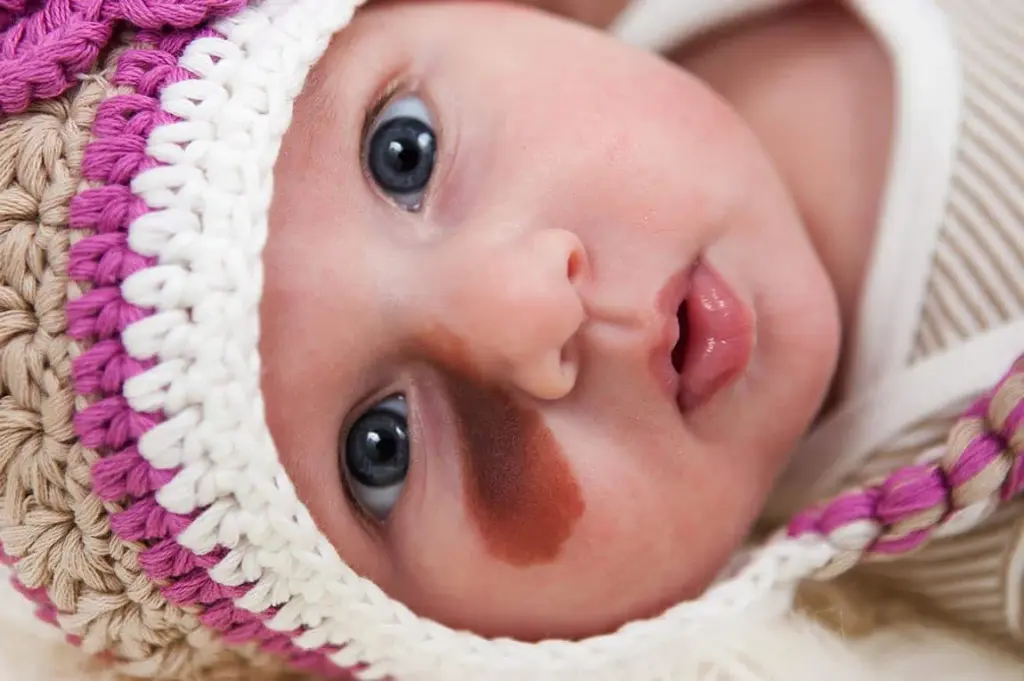
Birthmarks. There are various types of birthmarks that can occur. Some can be larger moles or freckles and some can be red or raised. Typically these are benign and require no treatment, however it is always best to have them evaluated by a medical provider for monitoring. Lesions should grow in proportion to the child growing. If ever a lesion was growing out of proportion, you should make an appointment to have a medical provider evaluate it ASAP. There are options such as laser treatments that can be performed for vascular lesions to reduce size and appearance of them.
Hemangioma
“Stork Bites”
Port Wine Stain

Congenital nevus
Sun protection in kids. Starting sun protection in children is very important. Preventing sunburns as a child is going to decrease their risk of developing skin cancer in the future. Even one sunburn, increases the risk of skin cancer. Mineral based sunscreen, containing zinc or titanium is best. Lotion or cream based sunscreen is best to ensure complete coverage over spray sunscreen. Now I know sunscreen application can seem like a chore, especially when your kids don’t want to stop playing. I always recommend applying sunscreen before leaving the house to make sure you don’t delay application or forget after you get busy enjoying the fun. Reapplication should be applied at least every 2 hours or sooner if exposed to water/sweat. Wearing sun protective clothing such as UV long sleeve shirts is also helpful, especially for those kids who make it difficult to apply sunscreen.
Featured Products
ISDIN Age Contour Day & Night

Double up on advanced moisturizing and skin-tightening properties while saving on this bestselling pair. Start your day with Age Contour to help protect against the damaging effects of pollution and minimize the look of lines, and end with Age Contour Night to help undo the day’s damage.
Benefits:
- Firms skin and fights sagging by helping to increase levels of hyaluronic acid in the skin
- Help protect the skin from free radical damage caused by pollution
- Delivers intense hydration and helps to retain water in the skin
- Combats the glycation process, which causes collagen to become rigid and lose its ability to keep skin firm.
Dr. Dan’s Cortibalm
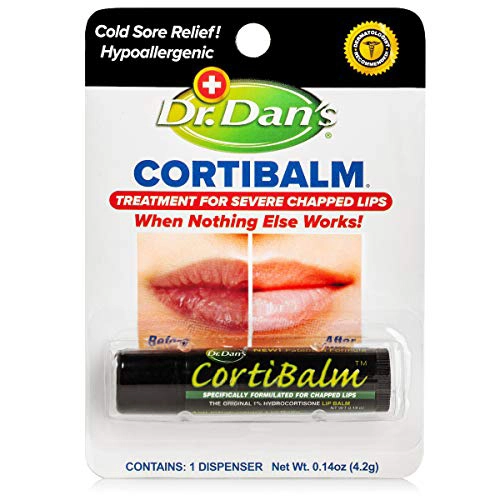
After treating thousands of patients with mild to severe chapped lips, Dr. Dan Viders developed the only truly hypoallergenic medicated lip balm with 1% hydrocortisone – CortiBalm. Dr. Dan’s CortiBalm is the #1 dermatologist recommended brand for all types of mild to severe chapped lips.
Benefits:
- Perfect for severe chapped lips caused by exposure to the sun, cold weather and allergies
- Works to treat cold sores and inflamed lips caused by medical conditions like psoriasis and eczema
- Great for acne patients taking Accutane, Amnesteen or Soritane