Skip to content


by Sierra Rebchook, PA-C
September 2022
Pronounce: alopecia (al-low-pee-she-ah)
- What is it?
- Hair loss
- Is all hair loss the same?
- There are many different types of hair loss. Some common types of alopecia include androgenetic hair loss (male and female pattern hair loss), alopecia areata, telogen effluvium (stress induced hair loss), and tinea capitis.
- How is hair loss diagnosed?
- Typically, patients are the first to notice hair loss, as it can be very distressing and discouraging. However, clinicians can also assess hair loss by doing a hair pull test, tracking photos of the scalp overtime, and even taking a biopsy to determine what type of hair loss a patient has and what may be causing the hair loss.
- What causes hair loss?
- Hair loss is often idiopathic, which means we simply don’t know what causes it. However, certain factors such as hormone imbalances, vitamin deficiencies, stress, genetics, environmental factors, allergies, infection, illnesses, etc. have been linked to hair loss.
- How do we treat hair loss?
- There is no perfect solution for any type of hair loss. However, there are many different treatment options available depending on the type of hair loss in question. Forms of treatment range from topical to oral to even injectable medication to either stop hair loss from progressing or to help stimulate hair regrowth.
- What can I do to prevent hair loss and to keep my hair healthy and happy?
- Unfortunately, certain things like genetics, allergies and illness are out of our control. However, eating a healthy, well-balanced diet, limiting stress, washing hair with gentle cleansers sparingly, avoiding pulling on hair, and beginning medical treatment at the first signs of hair loss are a few examples of many of how we can keep try and limit hair loss.
- Sometimes, despite our best efforts, hair loss is inevitable. In these extreme circumstances, hair transplants or wigs are the best option.
Alopecia Areata
Many people who develop alopecia areata are otherwise healthy. They have hair loss and sometimes nail changes, but they remain in good health. The hair loss tends to be unpredictable. Hair may regrow without treatment. This happens more often when someone has a few bald patches. When the hair regrows, it may fall out again-or it may not. If alopecia areata affects the nails, you may see dents, ridges, or brittle nails. Some people develop red nails.
When does alopecia areata usually begin?
It can begin at any age; however, most people develop it during childhood or their teenage years. About half them see their hair regrow within 12 months without treatment. When the hair regrows, it may never fall out again. It’s also possible to have unpredictable cycles of hair loss and regrowth for years.
If a parent has alopecia areata, will a child get it?
If a parent or close blood relative has (or had) alopecia areata, a child has a greater risk of developing this disease. While the risk is greater, not every child with this increased risk will get alopecia areata.
Research leading to new treatment
Because hair loss can greatly affect a person’s quality of life, researchers continue to study alopecia areata. Much of this research focuses on developing more effective treatments. This is giving new hope to patients, especially those living with widespread hair loss. Dermatologists are conducting much of this research. If you are an adult with widespread alopecia areata, your dermatologist may talk with you about the possibility of joining one of these studies.
Types of alopecia areata
When talking about treatment, your dermatologist may mention the type of alopecia areata that you have.
The main types are:
Alopecia areata: Alopecia is the medical term for bald. Areata means patchy. This patchy baldness can develop anywhere on the body, including the scalp, beard area, eyebrows, eyelashes, armpits, inside your nose, or ears.
Alopecia totalis: The person loses all hair on the scalp, so the scalp is completely bald.
Alopecia universalis: The person loses all hair, leaving the entire body hairless. This is rare.

Featured Products
ISDIN Hyaluronic Concentrate

Hyaluronic Concentrate is a water-gel serum that treats your skin to deep hydration, providing both a plumping and smoothing effect with a satin finish. Formulated with a multi-layered blend of hyaluronic acids, BioMarine extract, skin-firming peptides and lentil extract, use daily for skin that looks and feels radiant.
Benefits:
- Hydrates– A multi-functional mix of hyaluronic acids help maintain your skin’s natural moisture levels, resulting in a healthy skin barrier.
- Plumps– A mix of marine-derived extract and peptides plump up the skin and help decrease fine lines and wrinkles for a youthful-looking complexion.
- Smoothes– Lentil extract, which helps reduce the appearance of pores, combined with the serum’s silky texture, provides an ultra smooth look and feel.
ISDIN- Uradin Lotion 10
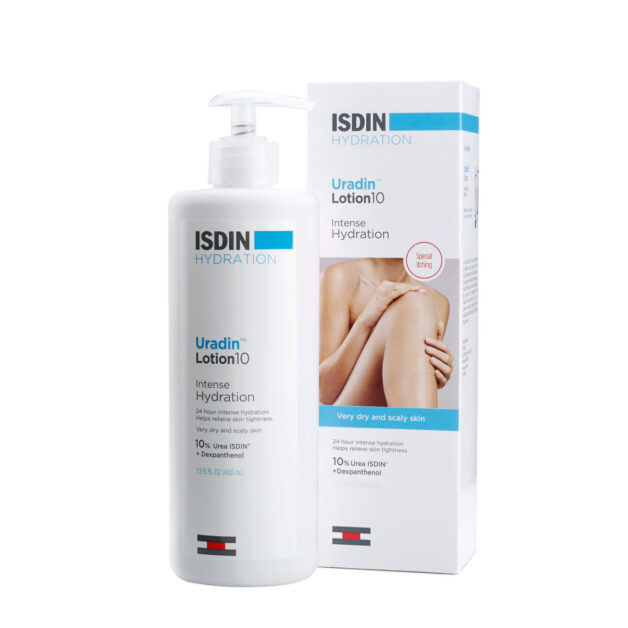
Uradin Lotion 10 provides long-lasting moisture and helps to re-establish optimal levels of hydration in the skin. The ideal body lotion for dry or very dry skin, it works to restore skin’s natural smoothness through 24-hour intense hydration. Uradin Lotion 10 helps to reduce the itching associated with dryness, and absorbs quickly into the skin without feeling heavy or greasy.
Benefits:
- Hydration– Provides deep, lasting hydration for 24 hours.
- Moisture– Nourishes without feeling greasy or heavy on the skin.
- Relief– Helps relieve the itchiness associated with dry, flaky skin.