Skip to content


May
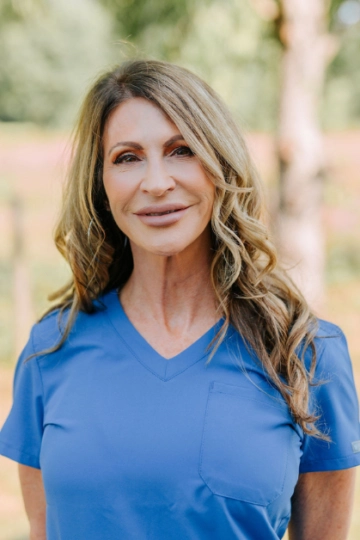
By Dr. Jessin Blossom
Melanoma is a type of skin cancer that develops when melanocytes (the cells that give the skin its tan or brown color) start to grow out of control. Melanoma is much less common than some other types of skin cancers. But melanoma is more dangerous because it’s much more likely to spread to other parts of the body if not caught and treated early. Skin cancer screenings are the best way to catch it in the early stages, and also the best pathway to treatment.
Melanoma can arise in a preexisting mole or show up all by themselves. Often times, it’s an irregular dark spot that you notice changes rapidly. Living in Florida, an annual skin exam is a must!!
Dermatologists have many tools at their ready to help patients diagnose their melanoma. Dermoscopy, which involves examination of the skin using skin surface microscopy, total body photography, biopsy and genetic testing of lesions. Treatment can involve excision, immunotherapy, radiation therapy and other options.
There are options when it comes to treating your other skin cancers. One that is performed here at MidState for basal cell and squamous cell carcinoma is Moh’s Surgery. Moh’s is considered a skin conservation surgery. This surgery has a unique benefit in that during surgery, the surgeon can see where the cancer stops. This isn’t possible with other types of treatment for skin cancer.
The ability to see where the cancer stops gives Mohs (pronounced Moes) two important advantages:
- Mohs has a high cure rate.
- Mohs allows you to keep as much healthy skin as possible because the surgeon only removes the skin with cancer cells. This is especially important when skin cancer develops in an area with little tissue beneath (e.g., eyelid, ear, or hand).
On the day of the surgery, your surgeon will first examine the area to be treated. You’ll then be prepped. This includes giving you an injection of anesthetic. This injection only numbs the area that will be operated on, so you’ll be awake during the surgery. Once the anesthetic takes effect, the surgeon starts by first cutting out the visible skin cancer. Next, the surgeon removes a thin layer of surrounding skin. You’re then bandaged so that you can wait comfortably in our private Moh’s patient lounge (complete with snacks and coffee!). While you wait, the Mohs surgeon looks at the removed skin under a microscope with slides prepared by our histotech. The surgeon is looking for cancer cells and clear margins. If cancer cells are found, patients would go back for a second removal of tissue. This process of removing a thin layer of skin and looking at it under a microscope continues until the surgeon no longer sees cancer cells.
Having any type of surgery can be scary. If your dermatologist recommends Mohs, you can take comfort in knowing a what to expect. Mohs has a high cure rate. Your surgeon will remove the least amount of skin needed to treat the cancer.
What’s a physical sunblock?
Some sunscreen brands might throw around the term “physical” blocker as opposed to “chemical” blocker. You might be curious what that means when it comes to the type of protection you’re getting. Physical sunblock’s such as titanium or zinc oxide do not get broken down by the suns UV rays. The same can’t be said for chemical blockers like avobenzone or oxybenzone which are degraded by sunlight. While it’s always a good idea to reapply your sunscreen, physical blockers will offer more protection in the long run.
So what’s the best physical blocker besides the ones you apply? Clothing!! Covering up in hats, shirts and clothing with a UPF rating of 50 or higher will always be the most fool proof way to prevent sunburns. Some of our favorite brands are Columbia sun shirts, and Coolibar clothing.
When it comes to head protection, a wide brim hat wins the award for best coverage. It doesn’t leave the ears, neck and cheeks exposed to the harmful rays.
Why should you pay for that?
Have you ever had that thought cross your mind when your doctor tells you their recommendations for products? Typically their cost is slightly higher, and you have to buy them in office, but your doctor has your best interest in mind.
Dermatologist “brands” have been put through more research and have science behind the ingredients in the products to ensure optimal delivery in every product. Brands are chosen with the best efficacy and stability. For example, your average over the counter vitamin C is degraded the instant you open it by heat and light. The dermatologist brand recommended and sold at MidState, Rose Skin Care, was chosen because of it’s stability in testing and it’s longevity. So while you might pay slightly more, you’re getting better results.
All the cosmecueticals sold at MidState have not only been tested by our dermatologists and staff, but they’re chosen to ensure they aren’t irritating to your skin. You wouldn’t consult a car salesman to do your taxes, so don’t listen to Tiktok or Twitter for your skincare.
May Featured Products

EltaMD UV Elements is a 100% physical sunscreen in a tinted, moisturizing base. It is gentle for even the most sensitive skin types, including post-procedure skin. Its chemical-free actives, zinc oxide and titanium dioxide, provide safe but sure sun protection. These mineral-based UV filters work with ultra-hydrating hyaluronic acid to protect and hydrate the skin. UV Elements has a universal tint that beautifully enhances most skin tones for a more youthful appearance.
Benefits:
- UVA/UVB sun protection
- Chemical-free UV filters
- Hyaluronic acid boosts moisture-retention for a smoother, more youthful appearance
- Water-resistant (40 minutes)
- Dye-free

EltaMD UV Aero provides sheer but sure sun protection. This continuous spray sunscreen makes it easy to protect hard-to-reach places. EltaMD UV Aero sprays on white so you can see coverage then dries clear when rubbed in.
Benefits:
- UVA/UVB sun protection
- Continuous spray convenience
- Water-resistant (80 minutes)