Skip to content


by Colby Beck, PA-C
June
Living in Florida, AKA “The Sunshine State” during the summer months is HOT. With scorching temperatures and humidity, many people tend to wear clothing such as bathing suits, shorts, and sleeveless tops that expose sensitive areas in attempt to stay cool. However, those who suffer from dermatological disorders may feel uncomfortable exposing their skin, especially in the summer. In this article, we are going to discuss options to treat these visibly affected areas so we can all feel comfortable and confident wearing those summer clothes.
Eczema, psoriasis, hidradenitis suppurativa, folliculitis, and intertrigo are only a few common skin conditions that can affect areas commonly exposed to the sun. I am going to briefly explain each condition and treatment options that are available.
- Eczema is a chronic inflammatory skin condition that can be caused by genetics or environmental factors. It presents as an itchy, inflamed, dry rash. There are various treatment options for eczema. First and foremost, it is important to avoid known triggers (i.e. perfumes, lotions, washes, detergents, etc.) Using All brand Free and Clear detergent without any fabric softeners and/or dryer sheets, Dove sensitive skin body wash, Cetaphil or Vanicream face cleanser and moisturizers are just a few dermatologists recommended products. Eczema can also be triggered by dry skin, therefore moisturizing daily is of utmost importance. It is best to moisturize with a cream base multiple times throughout the day, and especially right after the shower. Patting your skin dry and then applying an emollient (Aquaphor, CeraVe Healing ointment, Vaseline) will help keep your skin hydrated. Prescription therapy is also used to treat eczema. Depending on the severity of your eczema, your provider may prescribe a single topical or a combination of treatments to clear your skin. Topical therapy includes topical steroids, topical calcineurin inhibitors (Elidel, Protopic), and Eucrisa. Systemic therapy may be necessary for more severe or refractory cases, which include oral steroids for quick relief or Dupixent injections for more long-term relief. Phototherapy is another treatment option that uses UV light to reduce symptoms.
- Psoriasis is a chronic inflammatory condition that is genetic and caused by the immune system. Psoriasis presents as scaly, red, plaques, and in some cases joint pain. Psoriasis can affect any part of your skin, scalp, and even nails. It is most often triggered by infections, stress, or injury to the body. Since psoriasis is a chronic condition, it is important to identify triggers and limit them as much as possible to decrease flares. Try to find ways to decrease/manage stress in your life and decrease smoking. Treatment for psoriasis typically includes combination therapy. Providers may prescribe a combination of topical therapy (topical steroids, topical calcineurin inhibitors, topical retinoid, coal tar, or vitamin d analogue), phototherapy, systemic therapy or biologic therapy. Biologics are commonly used for psoriasis patients; especially those whose psoriasis is widespread or affecting sensitive areas such as palms/soles, genitalia, face etc. Biologics are typically injections that target specific parts of your immune system to decrease symptoms and disease process. Throughout the years, many classes of biologics have been developed that each target different parts of your immune system to alleviate symptoms. Therefore, if a patient fails one biologic, the provider can switch to a different class and see if another therapy works better.
- Hidradenitis suppurativa (HS) is a chronic inflammatory disorder characterized by recurrent cyst/boils in the axillae, breast, groin, and buttock region. This condition is very painful and overtime can lead to severe scarring. Due to the natural course of this condition, it is important to diagnose and treat early to limit scarring. Those who have HS should wear loose fitting clothing to avoid friction and reduce flares. Weight gain also attributes to more flares therefore, losing weight can help alleviate symptoms. Smoking has been found to be a trigger for HS and patients are encouraged to quit. Treatment for HS includes washing the affected areas with antiseptic washes like benzoyl peroxide or Hibiclens. Oral antibiotics and topical antibiotics are also used to decrease bacteria and inflammation. Humira is biologic that has been approved to treat HS and many patients notice less flares being on Humira. There are also in office procedures that can alleviate painful cyst such as incision and drainage or injecting a steroid solution to decrease the inflammation. Excision of the cyst is sometimes necessary as well.
- Folliculitis means inflammation of the hair follicles. Most women and men have probably experienced this at some point in their life, especially after shaving. This most often presents as inflamed, red, pimple like lesions. Even tight-fitting clothing can cause folliculitis due to friction. To reduce flares, you can wear loose fitting clothing and it is important to use a new razor each time you shave. Using hot water to soften hair prior to shaving, and shaving in the direction of hair growth will reduce flares as well. Treatment for folliculitis includes washing affected areas with Hibiclens or benzoyl peroxide wash. Topical antibiotics are effective for limited areas. In refractory or moderate/severe cases, oral antibiotics may be necessary.
- Intertrigo is a rash that develops in sensitive areas such as axillae, inframammary areas of breast, and groin. It is found in the skin-on-skin areas and appears with red, inflamed, moist patches. Intertrigo starts after exposure to heat/humidity causing increased sweating and areas staying moist for prolonged periods. This condition is very commonly seen among those living in Florida due to activities such as routine yard work, walking at theme parks, and other activities done in the hot sun. Treatment focuses on keeping areas dry and clean. It is important to change out of wet/sweat soaked clothing. Providers typically prescribe a mixture of topical antifungals with topical steroids and absorbent powders to reduce symptoms and maintenance. Infections can occur in some patients and treatment with oral antifungals or antibiotics may be necessary.
Now that we have discussed several dermatological conditions that may prevent people from wearing that bikini or sleeveless top in the summer, let’s talk about something everyone suffers and can relate to…HAIR. I’m sure many can relate getting a last minute invitation that involves being in a bathing suit or shorts and a tank top and you have to jump in the shower to shave your legs, bikini area etc. It’s a burden in so many ways including time, but even worse is razor burn, and/or irritation from using shaving creams/gels. Fortunately, waxing and laser hair removal are great alternatives to shaving with a razor. Laser hair removal is a very quick and effective procedure to rid unwanted hair. It works by targeting dark pigmented hair and cannot remove “peach fuzz”. It takes multiple treatments depending on the body area, and the pain associated with this treatment is tolerable. You can always apply topical numbing prior to appointment for a more comfortable experience. Laser hair removal is definitely worth every penny to not have to worry about shaving for those last minute plans.
Lastly, I am going to address the most important thing, which is sun protection. The summer months in Florida offer so many outdoor activities such as boating, theme parks, cook outs, etc. It’s all fun and games until the next day waking up with that red, crisp sunburn. Sunscreen is not only important in protecting your skin from skin cancer, but also preventing physical signs of aging. Sun exposure is one of the main contributors to aging and there are many ways to protect your skin. A broad-spectrum mineral based (zinc/titanium) sunscreen should be used daily on the commonly exposed areas including face, neck, chest, arms. If you are in the sun for longer periods, it’s important to apply sunscreen to all exposed areas and reapply at least every 2 hours. You may need to apply more frequently if you are sweating or swimming. Another way to protect your skin from the sun is with clothing. Wide brim hats that cover ears, neck, and face are best. Temperature regulated clothing with UPF are also great options when outside that provide coverage but not warmth.
I hope anyone suffering with any of the above conditions realizes there is treatment options available to them and calls any of our offices to get them summer ready!
Featured Products
EltaMD UV Sport SPF 50

EltaMD UV Sport SPF 50
Have your fun in the sun-but play it safe. This sunscreen is great for swimmers, skiers, runners, golfers and other athletes – or for those who just love to be outdoors! UV Sport is water-resistant so it won’t rinse off in water or drip into your eyes and sting when you sweat.
Benefits:
- UVA/UVB sun protection
- Will not rinse off in water or drip into eyes due to perspiration
- Water-resistant (80 minutes)
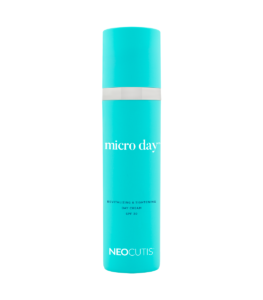
Neocutis Micro Day
Revitalizing & Tightening Day Cream SPF 30. A powerful day cream that provides four benefits in one: skin revitalization, anti-oxidant care, broad-spectrum UVA and UVB protection and lasting hydration.
Benefits:
- Revitalize with Proprietary Peptides
- Hydrate with glycerin and sodium hyaluronate
- Defend against free radicals with a blend of green tea extract, vitamin C and E plus melanin
- Protect from photo aging and photo damage with zinc oxide
- Replenish and restore moisture