Skip to content


December 2022
Dry skin affects virtually everyone in the winter! From changes in the humidity and temperature, to indoor heating. In this month’s blog we’ll take a look at some of the most common dry skin issues, and how you can tackle them.
How your diet can affect your dry skin-
Food is a vital part of skin health. If a person eats a healthy, balanced diet, their skin may be better able to fulfill its protective functions. Eating certain foods may even help protect and moisturize the skin. The same can be said for foods that cause dry skin to worsen. The skin has a protective function which prevents excess water loss and stops dangerous chemicals and allergens from affecting your body, while regulating your temperature. Dry skin can be a symptom of nutrient deficiencies such as Vitamins A, C, D & E, zinc, and selenium. Here are some foods you can add to your diet to ensure your skin is receiving the nutrients it needs.
Vitamin A
- Beef liver (we know, but stick with us!). Beef liver is an excellent source of Vitamin A because animals store vitamins in their liver. Just a 3 oz serving of beef liver can give you 73% of your daily Vitamin A needs (3,000 mcg). Vitamin A is essential to fighting dry skin as it contains retinoids. BONUS- Vitamin A can help the symptoms of psoriasis.
- Sweet potatoes. Each baked sweet potato with skin contains 1,400 mcg of Vitamin A. Again, it is worth pointing out that the upper limit for vitamin A consumption is 3,000 mcg per day. Consuming more than this can be harmful.
Vitamin C
- Sweet red pepper. Half a cup of sweet red pepper contains 95 mg of Vitamin C which equates to 100% of your daily needs! Vitamin C is useful in combating dry skin because it significantly increases skins hydration while also protecting you from harmful UV rays.
- Kiwi fruit. One medium kiwi contains 64 mg of Vitamin C. Vitamin C has other health benefits aside from skin hydration and protective functions, according to the NIH. For example, consuming vitamin C can lower the risk of developing cataracts and may lessen the severity of cold symptoms.
Vitamin D
- Cod liver oil is a great source of Vitamin D as one tablespoon contains 34 mcg of vitamin D. That’s 170% of your daily needs!! There are different types of Vitamin D like D3 and D2. These reduce inflammation, and promote healing.
- Soy, Almond & Oat Milk are fortified with Vitamin D. One serving contains 2.5-3.6 mcg which is about 15% of your daily needs, but in combination with your other vitamin rich foods is a great addition.
Vitamin E
- Sunflower Seeds. One ounce of dry roasted sunflower seeds contains 7.4 mg of Vitamin E which is about 50% of your daily needs. Vitamin E is an antioxidant which means it can help combat UV damage, dry skin and pigmentation.
Zinc
- Oysters. Three ounces of breaded, fried oysters contain 74mg of zinc. Are you ready for this… that’s 600% of your daily needs!! Those slippery devils are rich in zinc which is essential in protecting the skin from UV damage by limiting the amount of radiation that permeates the skin.
- Baked beans. Half a cup of baked beans contains 2.9 mg of zinc which is only 25% but it all adds up.
Selenium
- Yellowfin tuna. Just three ounces of yellowfin tuna contains 92 mcg which equates to 160% of your daily needs. Selenium protects the skin from UV damage by increasing the activity of enzymes in the skin. It’s also useful in treating psoriasis in increasing the levels of glutathione peroxidase.
Cream vs. Lotion- by Seirra Rebchook
While we may not get snow in December, our skin certainly knows when the cold months are upon us! Have you ever noticed that when the air is dry and cool, our skin feels dehydrated? Moisturizing is essential in locking in hydration, keeping our skin soft, smooth and youthful! That being said…not all moisturizers are created equal. Let’s look at different vehicles of moisturizer and which one works best for your individual skin needs:
- Cream
- Viscous, non-greasy to mildly greasy. Works well for dry skin and minor rashes. Examples include Cera Ve cream and Cetaphil cream, which come in jars.
- Ointment
- Thick, oil based. Works extremely well as trapping moisture. Examples include Aquaphor and Eucerin. Works well for eczema and psoriasis.
- Lotion
- Thin, non-greasy. Rapidly absorbs without leaving behind a trace. Great for everyday use. Examples include Aveeno and Lubriderm.
Dry Feet
Don’t forget those feet when you’re bundling up this winter. Dry winter air can steal moisture from not only your skin but your feet, too making them feel hard and crack. Some common causes of dry, cracked heels are:
- Frequent hot showers
- Improper footwear
- Standing for long hours
- Using harsh soaps that strip your skin
- Walking around barefoot
What can you do to protect those heels this winter-
- Soaking your feet regularly in lukewarm water can help keep your feet feeling soft and smooth. Do not use hot water as it will strip away protective oils and leave your skin prone to dryness. Add Epsom salts, essential oils, oatmeal, buttermilk, and honey to add extra moisturizing properties to the water.
- After your soak, gently exfoliate your feet with a pumice stone or foot file to remove dead skin and smooth down calluses. If calluses become too thick, they can lose their elasticity and flexibility causing cracks when you move or if friction occurs.
- Once you’ve soaked your feet or finished exfoliating, remember to moisturize! Invest in a good quality balm or ointment that you can apply daily in the morning and night.
- Make sure you stay hydrated by drinking plenty of water throughout the day. In dry winter climates, it is easy for your skin to dry out so drink more water during the day to keep your skin hydrated and prevent dryness.
Dry Lips
Cold, dry weather, sun damage, and frequently licking your lips are just some of the reasons your lips might feel dry and chapped. To prevent and treat dry, chapped lips at home, follow these tips from board-certified dermatologists.
- Use non-irritating lip balm, lipstick, and other products that you apply to your lips (our fav- Dr. Dan’s Cortibalm)
- Avoid ingredients like
- Camphor
- Eucalyptus
- Flavoring: Cinnamon, citrus, mint, and peppermint flavors can be especially irritating to dry, chapped lips
- Fragrance
- Lanolin
- Menthol
- Octinoxate or oxybenzone
- Phenol (or phenyl)
- Propyl gallate
- Salicylic acid
- Look for products with
- Castor seed oil
- Ceramides
- Dimethicone
- Hemp seed oil
- Mineral oil
- Petrolatum
- Shea butter
- Sun-protective ingredients, such as titanium oxide or zinc oxide
- White petroleum jelly
- Slather on a non-irritating lip balm with SPF 30 or higher before going outdoors
- Drink plenty of water
- Stop licking, biting, and picking at your lips
- Avoid holding items made of metal with your lips
- Plug in a humidifier at home
Featured Products
Viviscal Professional
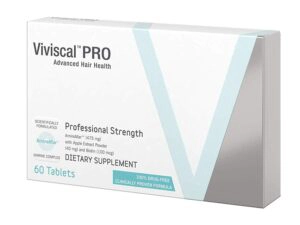
Rethink thinning hair. Viviscal PRO is a 100% drug-free hair growth supplement. Backed by more than 25 years of research, Viviscal supplements are clinically proven to promote existing hair growth with AminoMar™, a ground-breaking proprietary marine complex, plus key vitamins and minerals. With just two tablets a day, users see thicker, fuller hair in as little as 3-6 months.
Benefits:
- Clinically proven formula backed by 10 published clinical studies
- 100% drug free nutraceutical
- Recommended by over 2500 dermatologists
Neocutis-Neo Firm
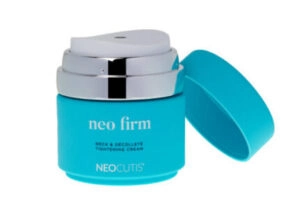
An intensive anti-aging treatment formulated specifically for the neck and décolleté. This moisturizing complex helps firm and tighten skin, support the restoration of lost collagen and elastin, and diminish the appearance of age spots and uneven skin tone.
Benefits
- Revitalize with Proprietary Peptides
- Tightens the natural contours of the neck and décolleté
- Conditions skin while defending against premature aging
- Rejuvenates crepe looking skin with glycolic acid