Skip to content


November
Healthy skin comes in many forms. It starts early, when teens are dealing with acne, hormones and more! Do you know how to handle your skin at every stage? We’ve got a cheat sheet here to help you start, or continue in your skincare journey.
HOW OFTEN DO CHILDREN NEED TO TAKE A BATH?
If getting your kids to take a bath is a struggle, you’ll be glad to know that a daily bath might not be a crucial part to your kids routine. However, it really depends on your child’s age and activities. Let’s look at some of our tips for all ages-
Babies up to a year old
Chances are you bathe your newborn almost every day. But, it’s not necessary as most infants don’t exert themselves enough to work up a sweat, or even get dirty. The Academy of Pediatrics recommends washing your baby with soap just 2-3 times a week. Between baths, you can wipe your kids with wet clothes to keep them fresh paying special attention to their neck, armpits and genitals.
Toddlers up to 3yo
Most toddlers are on the go, honing their motor skills, crawling, walking and even running. They’re learning to be more independent therefore, they are probably feeding themselves. Overall, they’re more likely to accumulate bacterial and dirt all over their body. However, that doesn’t mean they need a full scrub down daily. Try to ensure your tot is getting a full bath 2-3 times a week, with daily clean ups and if they’re really stinky, a full bath can happen. Use gentle soap, and try not to scrub their delicate skin.
Pre-Schoolers (3-5yo)
This is the critical age where we are teaching kids good bathing habits!! Teaching them how to bathe properly, how to rinse off and instructing them on water temperature can be setting them up for healthy habits as they age. Preschoolers should be bathing as needed (at minimum 3 times a week), and this can be daily now that their skin is less sensitive.
Children 6-11yo
This age group has many facets, from becoming more active, starting school and into the tween years there are a lot of changes. However, daily bathing isn’t necessary. 2-3 times a week is still acceptable for children with some caveats. They should be bathing when they get dirty, after being in the pool/lake/ocean, or if they start to have a noticeable body odor. This is also an important time to instill good hand washing habits into your child. Teach them to wet their hands with warm water, rub their hands together to create a lather that should go all over their hands and in between their fingers. Continue rubbing for 20 seconds at minimum, you can sing happy birthday twice and you’ll be done!! Rinse with warm, running water and dry hands on a clean towel.
Tweens & Teens
With any luck, by instilling the above habits once you reach the tween and teen years, bathing won’t be a fight. Tweens & teens should be bathing daily as puberty starts. This is a crucial time to show them how to properly wash their faces twice a day (morning/night) to help with acne. If your tween or teen plays sports, you might find them on another level of stinky and it’s important that good hygiene is tackled early. No one wants to be the smelly kid.
5 Tips to help your teen survive acne
- Take acne seriously! Telling your teen that those blemishes, bumps and blackheads will clear up eventually may do more harm than good. While waiting for a miracle to happen, many studies have shown your teens self-esteem could plummet. Treating acne now can also prevent it from worsening. Without treatment, sometimes acne goes from moderate to severe. When severe acne clears, your teen could be left with permanent scars.
- Be cautious with your reminders. In a recent small study, dermatologists found the more parents reminded their kids to take their acne medications the less likely they were to use it. The teens said the daily reminders felt like nagging, and cause them to push back more. What may help more is keeping your teens dermatology appointments. Allow your dermatologist to impress the importance of routine and follow instructions.
- Try to reduce stress. Just about everything stresses a teenager out, but anything you can do to reduce that can help reduce flare ups caused by stress hormones’.
- Watch for signs of depression. Having acne can affect how teens and even adults see themselves. Many studies have shown acne can lead to depression and anxiety. Some signs may include sadness lasting longer than 2 weeks, loss of interest in activities your teen once enjoyed and avoidance of activities. Thanks to advancements in treatment, acne can be managed now in many forms and reduce the risk your teen may become depressed.
- Let your teen meet with their dermatologist alone. This does a few things, mainly it creates a bond between the doctor and patient. It can allow your teen to develop a rapport and creates trust, which hopefully makes them more likely to follow instructions! It can be a lot harder to do when a parent is in the room.
SKINCARE AS AN ADULT
20’s & 30’s
As you age, it’s natural to experience thinner, drier skin and you can even start to develop wrinkles and start seeing signs of aging. However, your environment, lifestyle choices and skincare routine can sometimes cause your skin to age prematurely. Let’s look at some tips you can use in your 20’s and 30’s to prevent premature aging!
- Always wear SPF (30 or higher)
- Protect your skin by seeking shade and wearing UPF rated clothing when you’re outside
- Use a moisturizer every single day. It doesn’t have to be costly, our favorite over the counter brand (CeraVe) is around $10!
- Be gentle! Use products that say “fragrance free”, “non-comedogenic”, or “hypoallergenic” on the label
- Avoid scrubbing your face, washing your face more than twice daily or using skincare products that sting or burn
- Now’s the time to avoid repetitive facial movements that can cause wrinkles! Squinting (wear sunglasses), frowning, holding straws (or cigarettes) in your lips. Preventative Botox can treat these before they start
- Stay out of tanning beds. Period
- Maintain a healthy life-style with regular exercise, eating a well-balanced diet and try to avoid alcohol in excess
40’s & 50’s
Wrinkle creams, eye serums and other anti-aging products will be a part of your routine by now and can help diminish the signs of aging. The benefits of a healthy skincare routine can prevent blotchy complexion, retain your skins youthful firmness, reduce fine lines and wrinkles, avoid leathery skin and reduce your risk of cancer.
- Protect your skin from the sun by using SPF daily, seeking shade when possible or covering up if you can’t
- Applying moisturizer twice daily
- Washing dirt and grime off your skin twice a day
- If you smoke, stop! Tobacco not only contains toxins that can lead to a smokers complexion (dry, dull, loss of firmness, premature lines and wrinkles, leathery skin) but it’s just not good for you
- Healthy food promote healthy skin from the inside. Plenty of fruits, veggies and lean meat with healthy fats.
- Get enough sleep. It’s called beauty rest for a reason!!
60’s & beyond
In this season of life, your skin can feel dry and irritated easily. This happens for many reasons, including thinner skin and you lose water more easily. Medications can also play a huge role. If you’ve kept up with our list until now, chances are these tips won’t come as a surprise. Here are some tips from your derm for aging skin.
- Bathe to relieve dry skin. Always use gentle, fragrance-free, moisturizing bar soap, cleanser or body wash. Moisturizing ingredients to look for are glycerin, hyaluronic acid and lanolin. Always use warm water for baths, not hot water. Use a soft wash cloth, and keep it short (5-10 minutes). Long showers can strip your skin of it’s natural oils. Pat your skin, do not rub. Apply a creamy, fragrance-free moisturizer for dry skin within 3 minutes of bathing (and throughout the day).
- Use a humidifier when the air feels dry. Heating and air conditioning can strip the humidity right out the air. Keeping your indoor humidity between 45-60% can reduce dry, itchy skin.
- Wear gloves while doing housework and gardening. Exposing your skin to harsh chemicals, sunlight and other irritants can dry your skin.
- Protect your skin from the sun! If you’re seeing age spots, wrinkles, blotches of discolored skin you aren’t getting enough sun protection. You might think it’s too late, but you can prevent new spots from forming, and reduce your risk of developing skin cancer.
- Go fragrance free. Fragrances can irritate your skin, and cause dry, itchy patches. Unscented and fragrance free have different meanings. Unscented products can still irritate your skin as they typically have a chemical in them to cover up the smell of other ingredients.
- Examine your skin for signs of skin cancer. Around 50, your risk of skin cancer and precancerous growths increases. When found early, you can drastically reduce the severity and have more treatment options.
Featured Products
Latisse
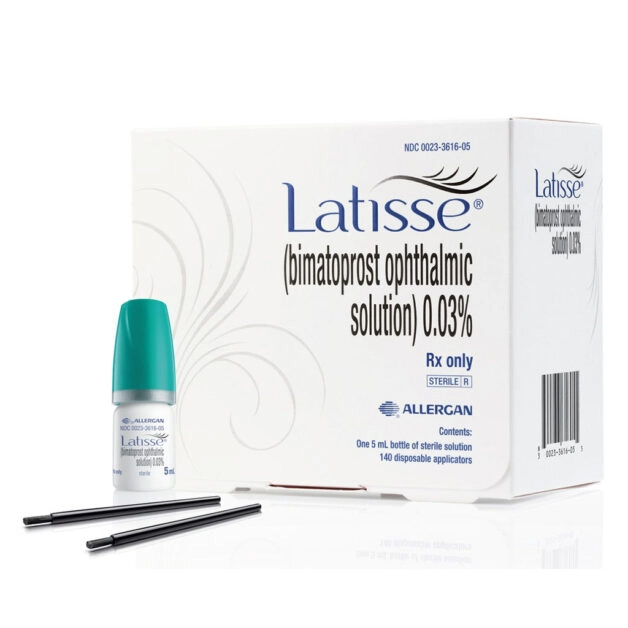
Grow your lashes longer, fuller and darker with Latisse. Latisse is the first FDA approved prescription medication for inadequate, or not enough eyelashes.
Benefits:
- Fuller lashes
- Darker in just 16 weeks
- Longer
- Give your mascara more to work with!
EltaMD- Renewal Eye Gel

EltaMD Renew Eye Gel is an oil-free formula that helps eliminate the appearance of under-eye puffiness, dark circles, fine lines and wrinkles while generating brighter, healthier-looking skin. Special peptides, hyaluronic acid and natural extracts support the skin matrix to help prevent and reduce the appearance of skin aging.
Benefits:
- Oil free formula
- Helps eliminate the appearance of under-eye puffiness, dark circles, fine lines and wrinkles
- Visible improvements within 30 days