Skip to content


By Colby Beck, PA-C
September 2023
Being in the medical profession we are trained on many different ways to treat diseases. We use a variety of therapies including prescription medications and laser/light treatments. However, there are many lifestyle modifications that patients can do at home that do not require seeing a specialist to help with their condition. We will review a few of those conditions and changes that can be made at home to help relieve symptoms.
Acne
Acne comes in many different forms and does not discriminate against who it affects. Dermatologists have many different ways to treat acne but we are going to list a few things you can do at home to try to reduce acne breakouts and even treat those annoying pimples that appear overnight.
- Changing your pillowcase/towels often.
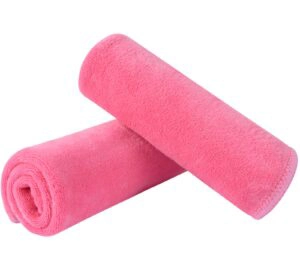
- With repeated daily use of your sheets/pillowcases/towels, bacteria can accumulate from dirt and oils on your body and hair. Because of this, it is important to change your pillowcase and towels more frequently. Being acne prone myself, I use a new gentle washcloth for my face with each use and I change my pillowcase nightly.
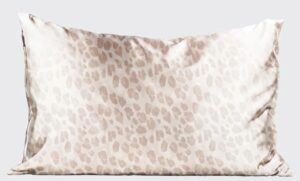
- I also use a satin pillowcase at night which they say can reduce acne breakouts, and on the plus side it helps keep your hair less frizzy. If you do not have an abundance of pillowcases at home, you could use a clean cotton t-shirt over your pillowcase instead.
Washing face for 60 seconds and double cleansing at bedtime. - This is such an important step! I definitely know most teenagers and probably most adults do not wash their face for long enough. It’s important to double cleanse at night, especially if you wear makeup. Micellar water is a great first step to remove makeup then followed by a cleanser. I personally use disposable cloths with Micellar water to remove makeup prior to washing my face.
- Consistency with skin regimen.
- It can take more than 1 month to see changes after adding a product in your skin care regimen. This takes a lot of patience to stick with a product, especially since most of us all want instant gratification. If you add a new product into your skin care regimen, wait at least 4-6 weeks before making any new or more changes.
- Cleansing makeup brushes weekly.
- Makeup brushes and applicators can be breeding grounds for bacteria and build up of product over time. Try to wash your makeup brushes/applicators weekly. I use a silicone pad I got off Amazon which makes the process go much quicker.
- Diet changes (Dairy, Whey protein)
- There is not a ton of evidence on diet being the cause of acne. However, there is some supporting evidence regarding dairy causing acne to flare. The theory is that dairy from cows milk contains hormones that can increase inflammation in the body, leading to clogged pore and acne breakouts. Something you may not know is whey protein is derived from cows milk. Therefore it is important to be aware of this if you use whey protein and are acne prone.
- The AAD also reported eating a low glycemic diet may help reduce acne by decreasing the amount of the inflammation in your body.
- https://www.aad.org/public/diseases/acne/causes/diet
Eczema
Many children and adults suffer from eczema, also known as Atopic Dermatitis. Sometimes children will outgrow eczema but unfortunately some do not and it can flare throughout all the seasons. There are many ways to treat eczema with topical steroids, non-steroidal creams, systemic steroids, and injections. But I would like to provide some tips and tricks on how to control eczema at home.
- Shower frequency, time, water temp.
- Limiting baths and showers can help reduce flares. Excessive exposure to water, especially hot water, can actually dry the skin out more and cause a flare. We advise taking showers over baths, and limiting showers to once daily or every other day if not dirty (especially for kids). It is also important to shower in lukewarm water instead of hot water.
Oatmeal (colloidal) baths for 10-15 minutes can be helpful in relieving itching skin. However, it is very important to moisturize the skin immediately after the bath.
- Limiting baths and showers can help reduce flares. Excessive exposure to water, especially hot water, can actually dry the skin out more and cause a flare. We advise taking showers over baths, and limiting showers to once daily or every other day if not dirty (especially for kids). It is also important to shower in lukewarm water instead of hot water.
- Moisturizing
- Many kids and adults do not moisturize enough. This is one of the most important steps in preventing eczema flares. Using a fragrance free, sensitive skin cream or ointment is recommended. Applying multiple times daily is best practice, but it is the most important to apply after a shower to lock in the moisture. After a shower, pat dry, then apply a layer of Aquaphor/Vaseline all over. Some brands we recommend include Cetaphil cream, CeraVe Cream, Vanicream cream, or Aquaphor/Vaseline.
- Avoiding triggers
- Many things in the environment can trigger eczema to flare. Some controllable and some not. Things you can control are avoiding any dyes, fragrance, and perfumes in products. I know this can be hard to do but slowly eliminating these products from your household can significantly reduce the amount of flares you get.
- For example switching your detergent to an all free and clear brand. Avoiding any fabric softener, dryer sheets, or fragrance boosters. You can try using wool balls in the dryer to help reduce static if needed.
- Avoiding the scented body washes and shampoos/conditioners. Dove sensitive skin body wash, Cetaphil body wash, Vanicream free and clear shampoo and conditioner are all examples of products that can help reduce flares.
- Now for the triggers you cannot avoid such as weather changes. Taking an over the counter antihistamine (Claritin, Zytrec, Allegra, etc) can help reduce the itching some.
- Avoid scratching the best you can. Eczema is known as the itch that rashes and the rash that itches. Once you start scratching, the Itch-scratch cycle begins and it is very difficult to stop. When itching presents try not to scratch by using cool cloths/ice packs and moisturizer after, wearing clothing that covers the area so it makes it more difficult for you to scratch the area.
Psoriasis
Psoriasis is a chronic condition that presents with thick, pink-red scaly plaques or patches on the skin. It can be genetic in nature and triggered by illness and stress. Psoriasis can be a debilitating disease between the skin involvement and if there is associated joint involvement. Over the years, many treatment options have become available, making psoriasis a livable condition. Even if a patient seeks medical treatment there are things you can do to help lessen flares.
- Stress management
- Stress can make everything worse in life, including psoriasis flares. Trying to eliminate stress in your life can help reduce the frequency and severity of psoriasis. This is easier said than done, but try finding ways to cope with stress including meditation, exercise, yoga, etc.
- Healthy Lifestyle
- Psoriasis is a chronic inflammatory condition and due to that, it can make patients more at risk of developing high blood pressure, high cholesterol, and diabetes. Trying to maintain and live a healthy lifestyle can prevent development of other comorbidities. Patients are encouraged to eat a healthy diet, limit alcohol intake, and avoid smoking. Patients who lose weight may find their psoriasis flares are less and if treated with medication, their medication could actually work better.
Hidradenitis Suppurativa
Hidradenitis Suppurativa (HS) is the last condition we will cover. It presents with chronic, recurrent boils in the skin folds areas such as the armpits, below the breast, buttock, and groin. These boils can be very painful and patients often say once one boil starts to heal, another appears.
- HS is a common condition in obese patients, however I have seen HS affect all shapes and sizes. That being said, if patients who have HS are overweight, they can notice a reduction in flares after weight loss.
- Smoking is also another big trigger for HS flares. Patients who quit smoking may notice a significant reduction in how many boils they get. Aside from reduction in flares, smoking cessation will also help reduce development of heart disease.
- Washing with antibacterial soap daily. Using Panoxyl (benzoyl peroxide) or Hibiclens wash is what I recommend for patients.
- Laser hair removal – many patients will experience flares after shaving/waxing. Getting laser hair removal can reduce flares by decreasing how many hair follicles you have.
- If you have to shave or wax, use hot water to soften hair. Wash the area with antibacterial soap first. Use a new sensitive skin razor and sensitive skin shave gel/cream.
- Reduce friction – decrease friction can help lessen irritation in the sensitive areas. Patients are advised to avoid tight fitting clothing. Change out of wet clothes as soon as possible. After exercise and sweating, it’s important to shower to decrease bacteria and get out of the clothes you were wearing.